
A Simple Parent’s Guide to Teaching Characterisation
- Neha Chopra

- Jul 16
- 4 min read
Characterisation simply means helping children understand a character more deeply.
It is not only about describing a character as kind, brave, rude or funny. It is about noticing what the character says, thinks, feels and does—and using these clues to understand why they behave in a certain way.
You do not need worksheets or complicated questions. A storybook and a short conversation are enough.

Step 1: Choose one character
Do not discuss every character at once.
Begin with the main character and ask:
“Who is this story mostly about?”
Let your child identify the character and briefly explain what has happened to them.
Step 2: Notice what the character does
Ask your child to focus on the character’s actions.
Try questions such as:
What did the character do?
What choice did they make?
Was that a good choice?
What would you have done?
For example:
“Riya shared her lunch with the new child. What does this action tell us about her?”
The child may say that Riya is kind, caring or welcoming.
Step 3: Listen to what the character says
Dialogue gives us clues about a character’s personality and feelings.
Ask:
What did the character say?
How did they say it?
What does this tell us about them?
Do their words match their actions?
For example:
A character may say, “I am not scared,” but may still hide behind someone.
This helps children understand that characters do not always say exactly what they feel.
Step 4: Think about the character’s feelings
Ask your child:
How is the character feeling?
What made them feel this way?
Did their feelings change?
How can you tell?
Encourage them to use clues from the story, such as facial expressions, actions, dialogue or illustrations.
Instead of accepting only, “He is sad,” ask:
“What happened in the story that makes you think he is sad?”
Step 5: Look for thoughts and motivations
Motivation means the reason behind a character’s behaviour.
Ask:
Why did the character do that?
What did they want?
What were they worried about?
What were they trying to achieve?
This is where children begin to move from knowing what happened to understanding why it happened.
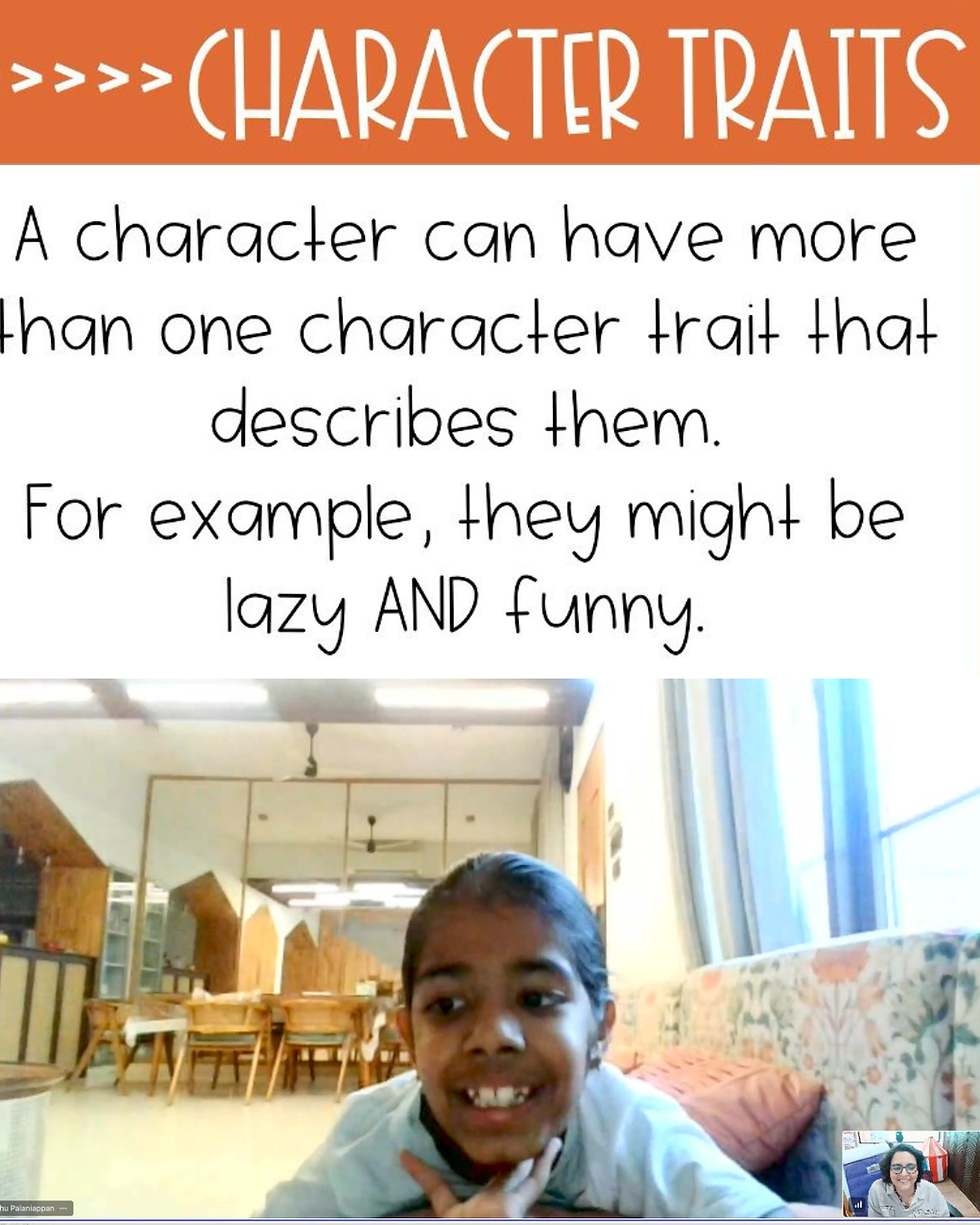
Step 6: Choose a character trait
Now ask your child to describe the character.
Encourage them to move beyond simple words such as nice, bad or good.
They could use words such as:
generous
impatient
determined
thoughtful
jealous
responsible
dishonest
curious
courageous
stubborn
Ask:
“Which word best describes the character?”
Step 7: Prove it with evidence
This is the most important step.
Ask:
“What happened in the story that makes you think that?”
Teach your child to answer using this simple structure:
“I think the character is __________ because __________.”
For example:
“I think Aarav is determined because he continued practising even after he failed.”
This teaches children that an opinion should be supported with evidence.
Step 8: Notice that characters can be complicated
Avoid making characters completely “good” or “bad.”
Ask:
Can a kind character make a poor choice?
Can a selfish character also do something caring?
Did the character have mixed feelings?
Did you understand the character differently at the end?
This helps children understand that people—and characters—can have many different qualities.
Step 9: Look for change
Many characters change during a story.
Ask:
What was the character like at the beginning?
What happened to them?
What were they like at the end?
What did they learn?
What caused them to change?
You can use this sentence:
“At first the character was __________, but later __________ because __________.”
For example:
“At first Meera was afraid to speak, but later she became confident because her friends encouraged her.”
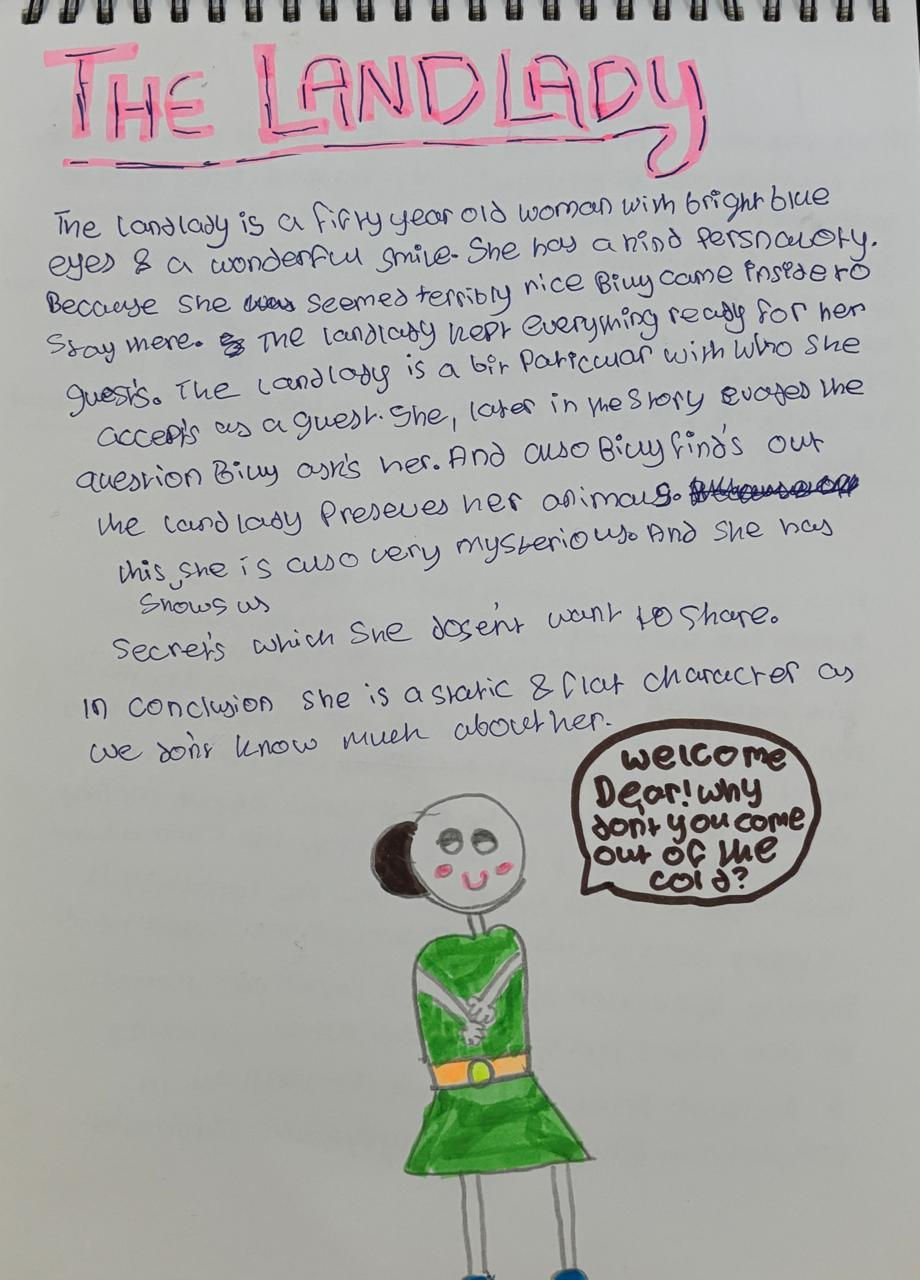
Step 10: Take it a step further and Connect the character to real life
Help your child see that stories are connected to real people and real choices.
Ask:
Have you ever felt like this character?
Do you know someone who has made a similar choice?
What can we learn from this character?
Would you like to be friends with this character? Why?
What advice would you give them?
These questions build both comprehension and emotional understanding.
A Simple Five-Minute Routine
After reading, ask only these five questions:
What did the character do?
How were they feeling?
Why did they behave that way?
Which word describes them?
What evidence supports your answer?
That is enough to begin a meaningful conversation.
What Parents Should Avoid
Try not to correct every answer immediately.
Character questions may have more than one possible answer. Instead, ask:
“What makes you think that?”
Avoid asking too many questions while the child is reading. Let them enjoy the story first, and discuss the character afterwards.
Also avoid giving the character trait yourself. Give your child time to think, explain and find evidence.
Remember
You do not have to turn every story into a lesson.
One thoughtful question can lead to a rich conversation.
Knowing what a character did is reading.Understanding why they did it is comprehension.


Comments